
by Ross Dickie | Jan 25, 2018 | Personal development, President's Blog
New Year’s is always a time when we set new goals, clean out old thinking and start new. It’s also a time when some new reading can help to shift thinking to the future. There’s lots to choose from! To help, we have a couple of fascinating books to recommend that are sure to present some new perspectives… read more

by Ross Dickie | Jun 29, 2017 | Assessment, Career, College, K-12 Education, President's Blog
It’s common knowledge that the growth jobs of the future will require, at minimum, constant learning and skill upgrading, plus at least an associate’s degree or higher. As a result, the push is on to increase postsecondary graduation rates. But the issue runs deeper than obtaining a postsecondary degree… read more

by Ross Dickie | Apr 27, 2017 | President's Blog
In case you weren’t aware, April is National Community College Awareness Month. And never have community colleges played such an important part in helping individuals of diverse ages and backgrounds realize their American Dream. read more
by Ross Dickie | Mar 8, 2017 | Assessment, President's Blog
Another National School Counseling Week passed by in early February and, with it, our salute to the great work being done by counselors in schools across North America in helping students succeed. But we all know that a one-week celebration isn’t enough. We need to keep at the important work of helping students gain personal insight, set goals, and make plans to reach them, all year long. read more

by Ross Dickie | Jan 16, 2017 | Personal development, President's Blog
While listening to a story on public radio the other day about the plight of unemployed workforce members over 50 without more than a high school education, I was brought up short by the reality expressed by the commentator’s guest. read more
by Ross Dickie | Nov 30, 2016 | College, President's Blog
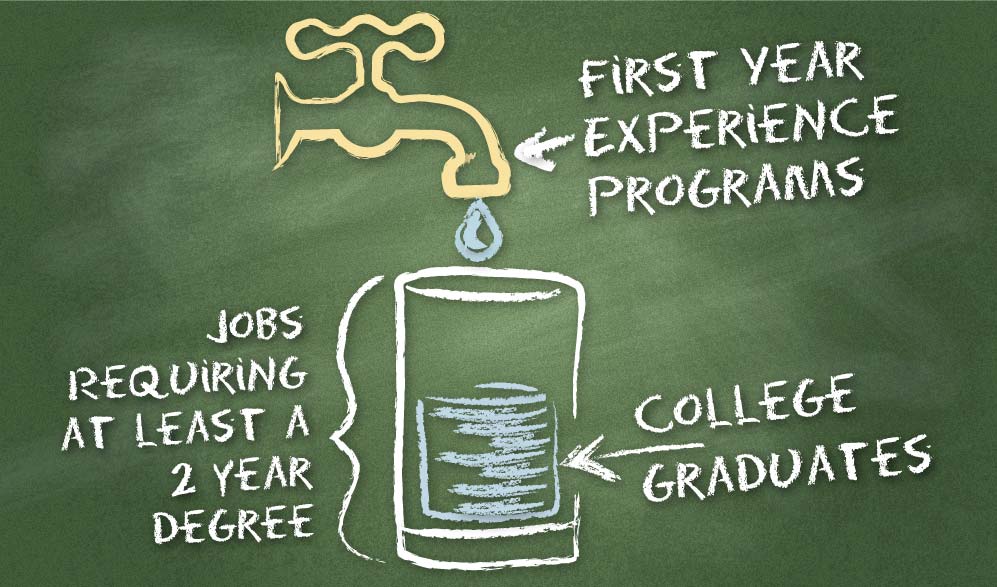
A lot has been written about the challenges of helping first-year, post-secondary students persist to graduation. Low persistence rates mean fewer students graduate to enter the workforce as skilled workers. read more